The Journey of Cars: From History to Tomorrow
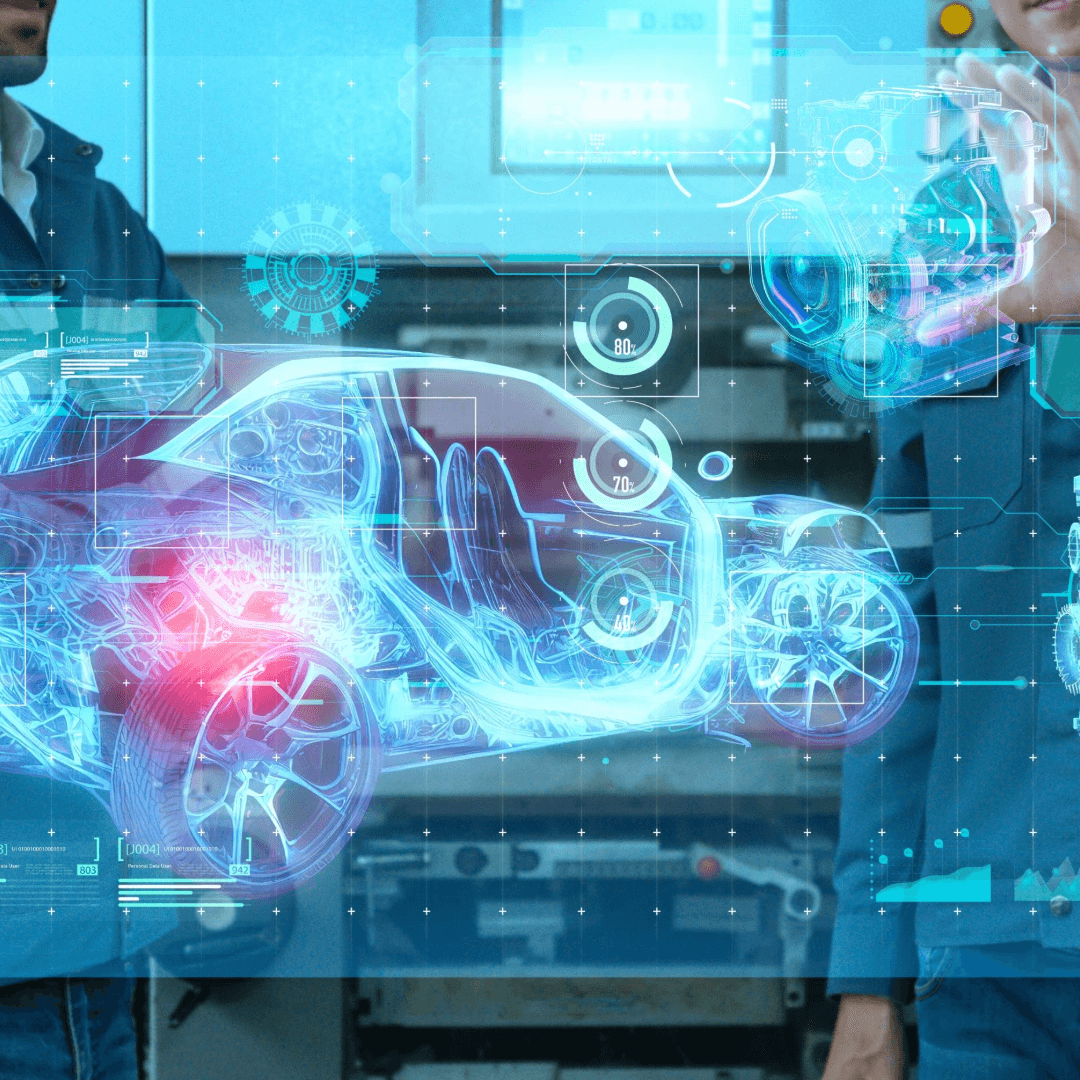
The late 18th century marks the start of the automotive industry in France and Germany, with its evolution deeply rooted in the development of the internal combustion engine.
Innovative ideas emerging over time have led to lighter, more efficient, and flexible vehicles, conserving energy through smart systems such as Start/Stop and reducing environmental impact.
The Origins of Automobiles
Exploring the early years, we find that the name “Fardier,” created by Nicolas Joseph Cugnot in France (1769), refers to the first mechanical vehicle. It featured a steam boiler at the front, which dispersed steam in a way that moved the front wheel.
A year later, German-Austrian inventor Siegfried Marcus assembled a motorized cart, surpassing Cugnot’s engine in mechanical energy.
After a hiatus, 92 years later in 1862, Etienne Lenoir built the first car powered by an internal combustion engine.
Notable names like Karl Benz, Henry Ford, and companies such as Dodge and Ransom Olds became pillars of the automotive industry’s progress.
Of course, early vehicle designs faced issues. For instance, Nicolas Joseph Cugnot’s invention struggled with steam pressure, and the high cost of production limited accessibility for the public.
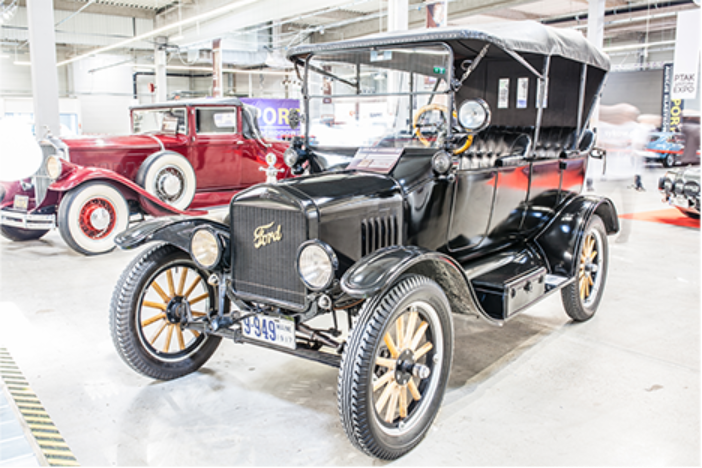
Henry Ford resolved this challenge with the affordable Ford Model-T, priced at just $950.
Technological Innovations of the 20th Century
In 1901, Ransom Olds introduced large-scale production at the Oldsmobile factory in Lansing, Michigan, using fixed assembly line techniques.
This concept expanded significantly and became the moving assembly line in 1913 at the Highland Park Ford Plant, introduced by Henry Ford.
The result? Cars were produced 15 minutes faster than before, boosting productivity eightfold.
The Era of Electric Vehicles
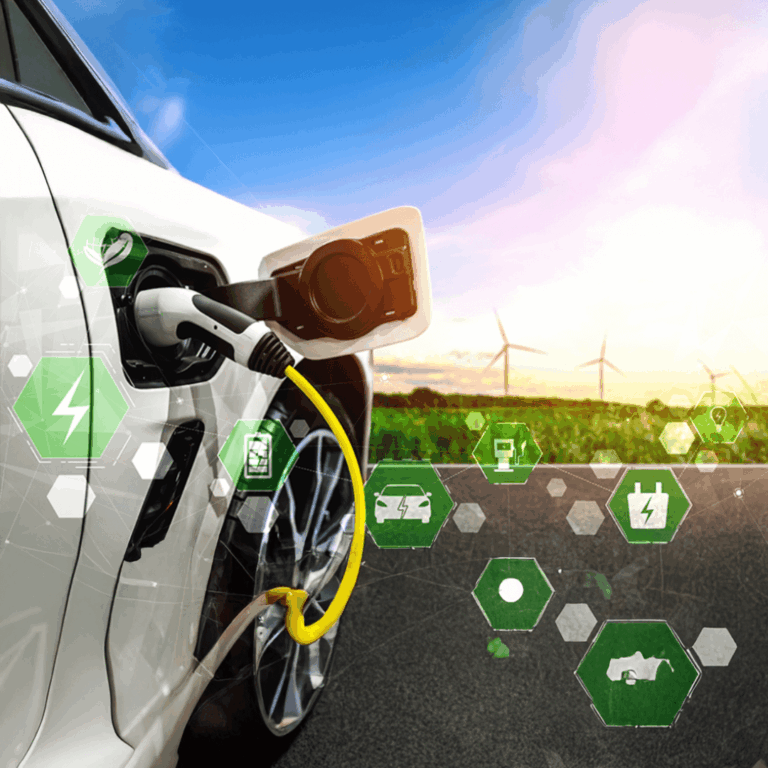
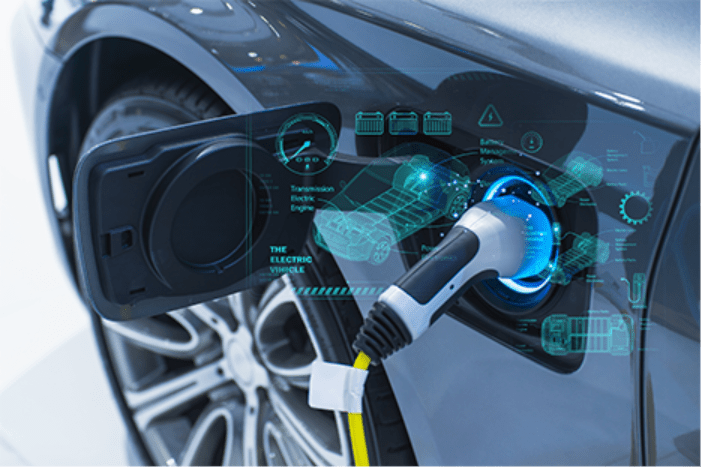
In recent years, we have witnessed tremendous growth and demand for a new category of vehicles powered exclusively by electricity.
Adapting to modern trends and consumer needs, companies like Tesla, BYD, SAIC, Volkswagen, and Hyundai Motor Group have embraced electric vehicles, delivering cutting-edge technology and enhanced driving experiences.
Autonomous Vehicles and Artificial Intelligence
Looking back, experiments with automated driving systems date as far back as the 1920s.
Self-driving cars utilize sensors to perceive their surroundings, including optical and thermal cameras, radar, lidar, GPS, odometry, and inertial measurement units.
Known as robo-cars or autonomous vehicles, these are a groundbreaking addition to the automotive sector. Waymo became the first to offer taxi services without drivers to the public in Phoenix, Arizona, in 2020.
Later, Honda emerged as the first manufacturer to sell a “Level 3” fully autonomous vehicle, while Nuro initiated autonomous deliveries in California.
Public reactions are mixed, with both positive and negative opinions about the rapid pace of technological advancement. Studies and articles suggest potential impacts on industries like automotive, economics, traffic, employment, and health.
Would you choose such vehicles for commuting or even purchase?
Challenges and Opportunities for the Future
In summary, advancements in car production are remarkable and show no signs of slowing down.
The common goal of inventors and companies alike is to improve service and meet people’s needs while striving to reduce environmental footprints.