Night Driving: 5 Practical Tips
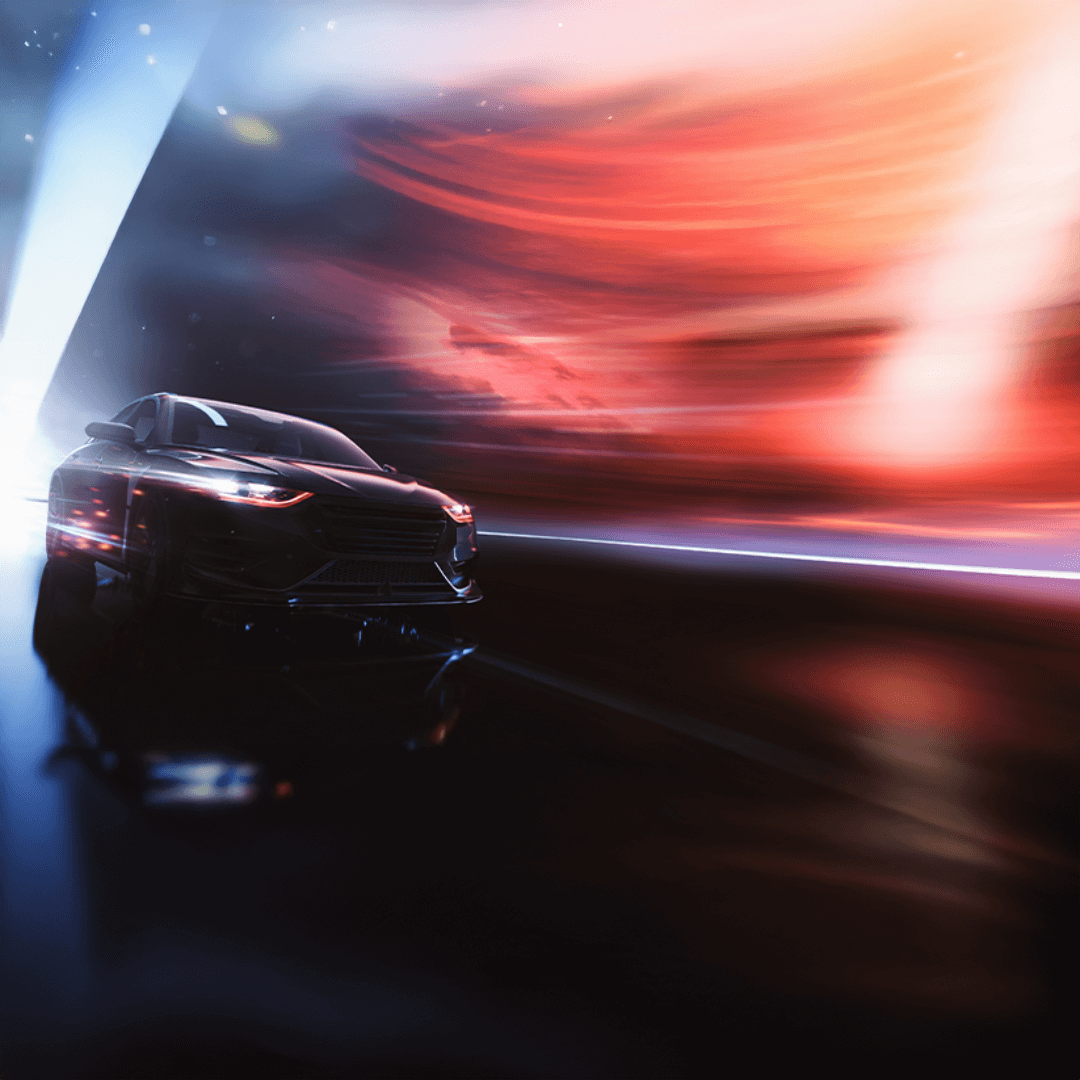
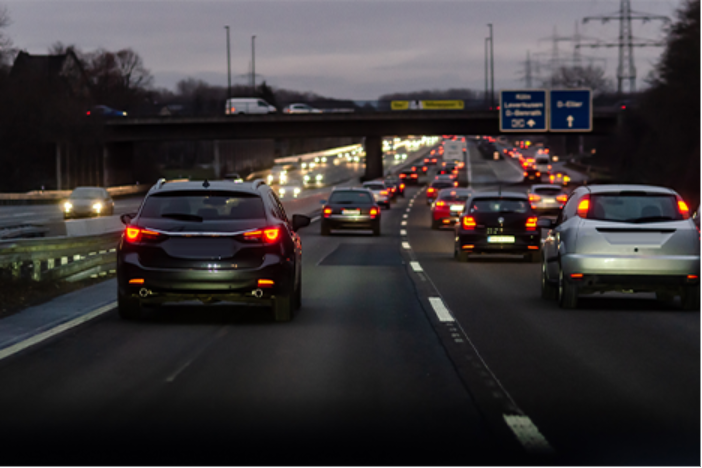
Ιn the thick of darkness, driving can become adventurous. Night driving is a challenge that requires attention, concentration and good preparation. Let’s give the valuable guidelines for a safe and comfortable night driving.
Visit to the Ophthalmologist
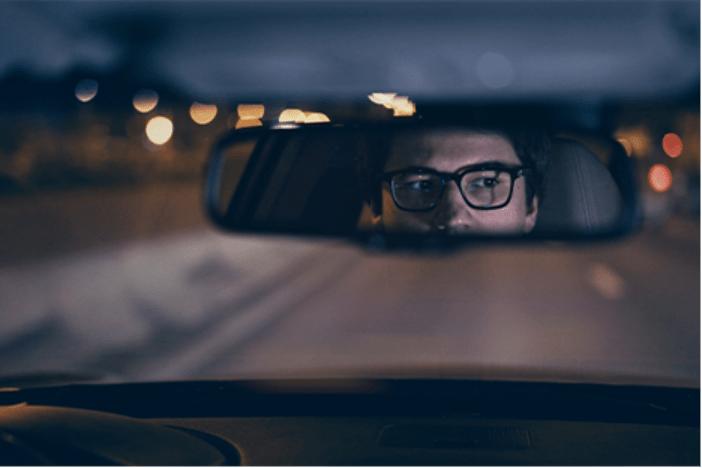
Maintaining good vision is a key factor in safe driving. Don’t ignore a regular checkup with an eye doctor, who will detect any vision problems that interfere with driving, such as myopia, cataracts or glaucoma. In addition, the ophthalmologist can recommend appropriate adjustments (eg eyeglasses) that will improve vision and usability while driving, thereby enhancing safety for both the driver and others on the road.
Maintenance and Cleaning of Lights
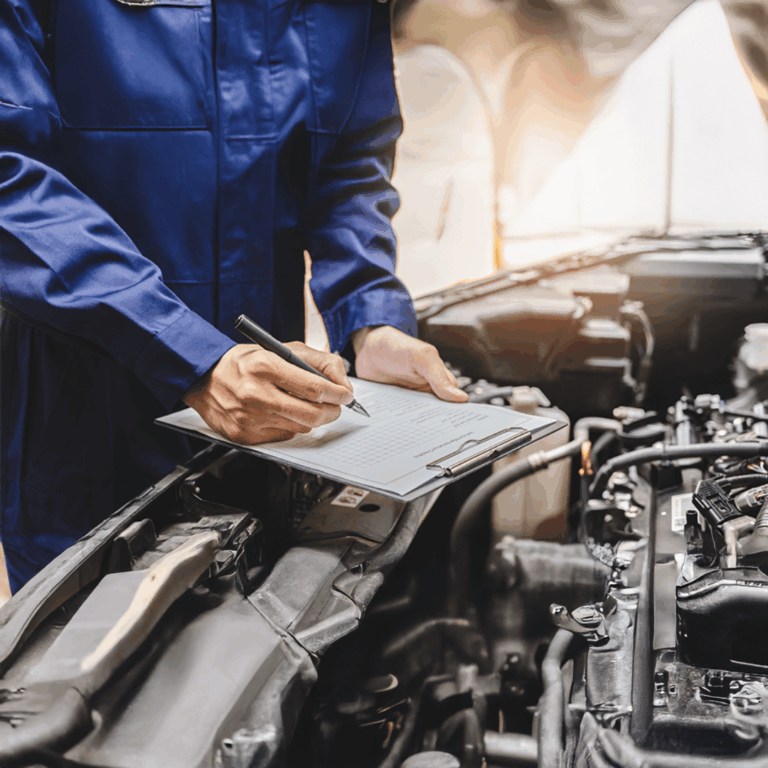
Just as the driver’s visit to the ophthalmologist is important, so is the inspection of the “car’s eyes”. More specifically, the maintenance and cleaning of lights is an important step to maintain visibility and increase safety during night driving. Over time and extensive use, the brightness and performance of the lights may suffer a noticeable decrease.
To maintain your lights, start by cleaning the protective covers with soap and water. Remove dirt with a soft cloth, so as not to scratch the surface. Then check for any cracks and if there are any, replace them immediately.
Keep the Windshield Clean
The simple but essential art of cleaning! A clear windshield is essential for efficient driving, allowing the driver to accurately distinguish objects and road conditions. Use appropriate cleaners and soft cloths to clean all car windows. It is also important to check the condition of the wipers and replace them when required, as worn or cut wipers can worsen the condition of the windshield and reduce visibility while driving, especially in rainy or snowy conditions.
Driving Carefully in the Rain
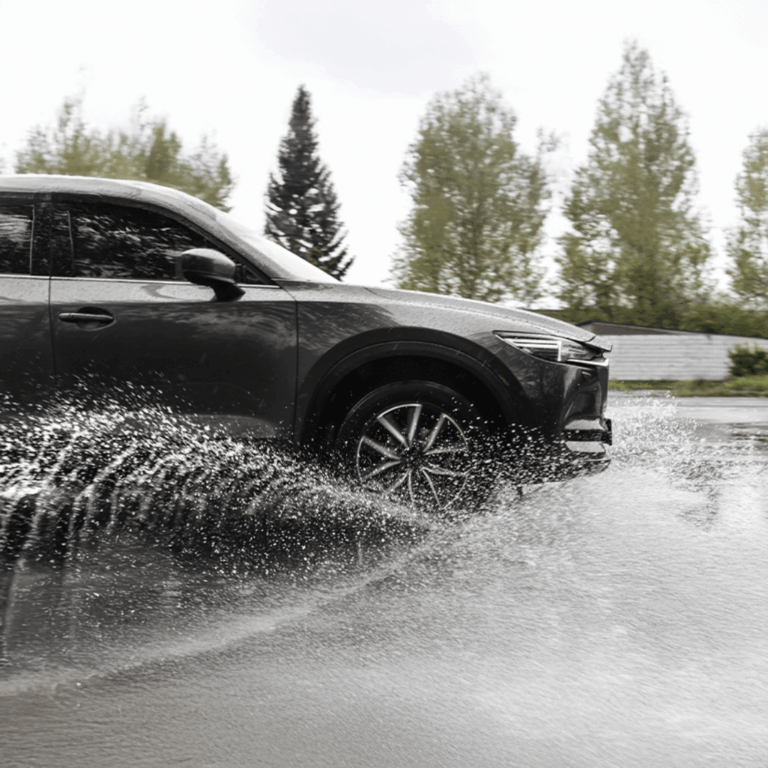
To avoid accidents and drive safely in the rain at night, it is important to follow certain rules. First of all, the reduction in speed is essential. Wet road surfaces increase the required braking distance and reduce tire grip. Obviously, keeping the driver alert speeds up the reaction to any unforeseen event.
Clearly, let’s repeat once more that proper and regular maintenance of the car helps it cope better under adverse weather conditions.
Correct Use of Vehicle Lights
When it comes to car lights, they’re like good music on an evening drive: they need to be properly tuned for a smooth and safe experience. But how do we coordinate them correctly? With the following steps:
1. Turn on your taillights even during the day to maintain visibility from vehicles behind you.
2. Use the fog lamps wisely and only when visibility is really restricted due to fog or heavy rain. Excessive use of fog lights can cause discomfort to other drivers due to the disproportionate brightness, thus worsening road safety.
3. Do not turn on the high-beam headlights when you see a vehicle ahead or a vehicle in the opposite direction, as this will disturb and make it difficult for the other driver to see.
4. Keep your lights at a reasonable intensity and according to the road conditions so as not to cause discomfort or disturbance to other drivers.
Despite the fact that night falls and darkness spreads, never let it dominate your driving. With proactive maintenance and careful driving, we can light our way safely in every possible condition. The goal above all is a better evening driving experience for everyone.