Charging an Electric Car: Everything You Need to Know
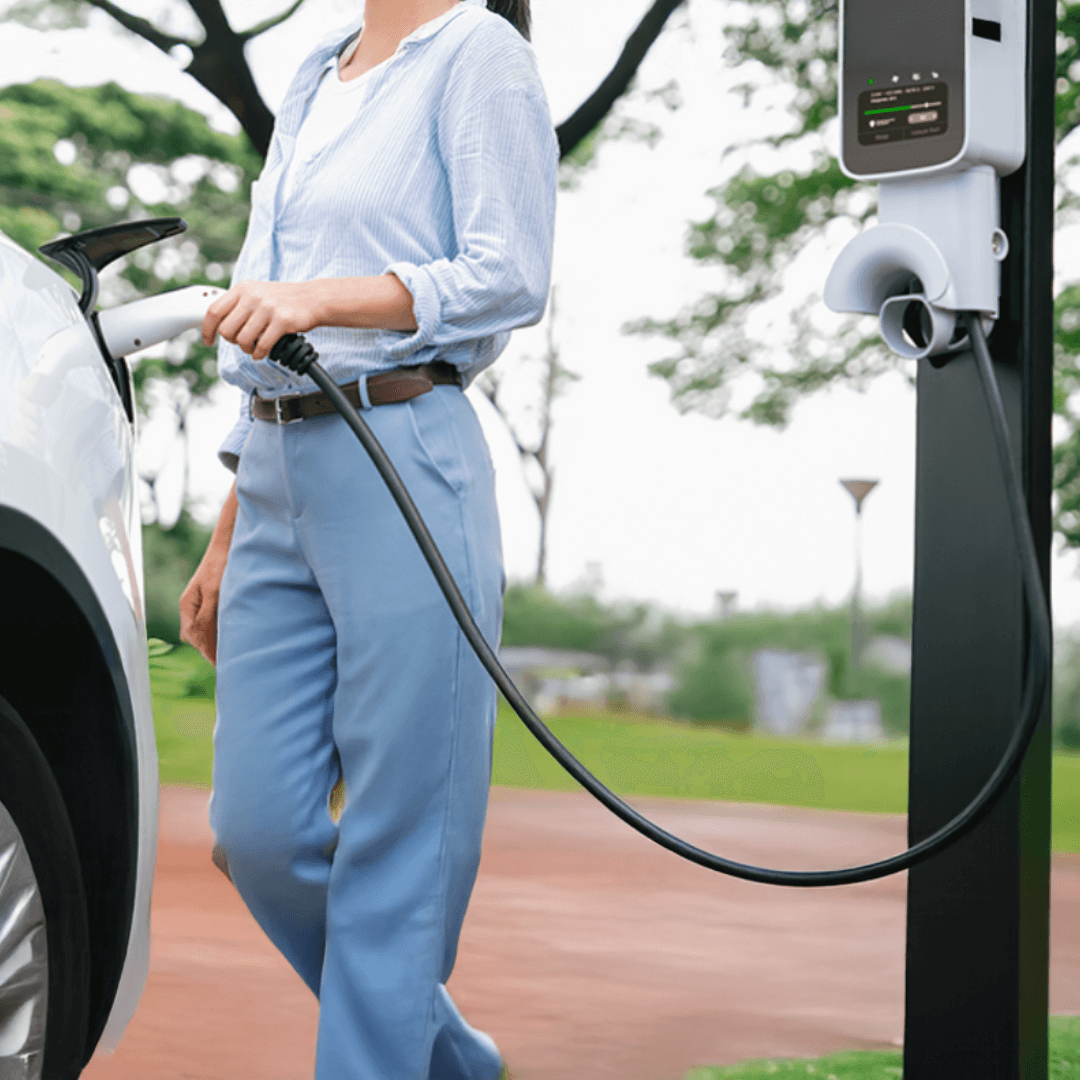
Electric cars do not use traditional fuels like gasoline or diesel to power their movement. Instead, they rely solely on electric energy, which is stored in their batteries.
Before deciding to purchase an electric car, it’s important to understand the difference in operating costs compared to conventional fuels, as well as the need to install a home charger to make charging easier.
Car manufacturers are increasingly investing in the production of electric models, which is contributing to the development of public charging stations, making their use more convenient in daily life.
Types of Electric Car Chargers
There are various types of charging for electric cars, depending on the needs and preferences of each user.
A popular method, due to its ease and practicality, is overnight charging. This is done through a home charger, which is installed at the owner’s home and allows the car to be fully charged while the owner sleeps.
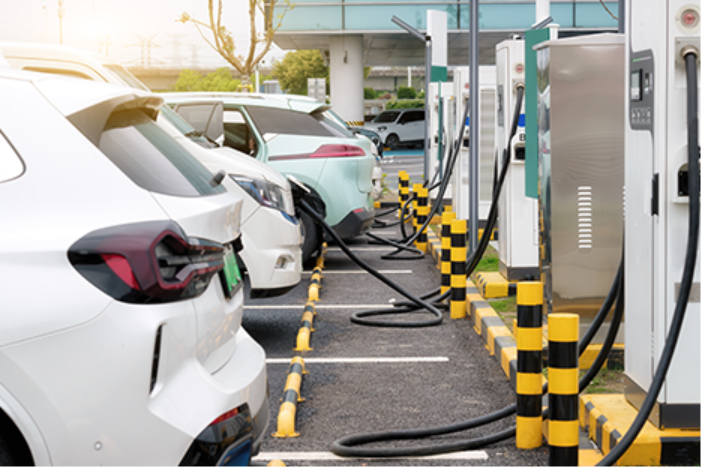
For those who do not have the option of home charging, there are alternative solutions. They can choose either public charging stations, which provide slower charging, or fast chargers, which offer quicker charging and are ideal for situations when time is limited.
This way, anyone can choose the type of charging that best fits their habits and needs!
Charging Process: How It Works
The only “difficult” part of choosing an electric car is deciding which model suits your needs, both in terms of appearance and features. On the other hand, the charging process is incredibly simple!
How is it done?
- Choose the type of charging that suits you best (home charger, public station, or fast charger).
- Bring the car’s charging port close to the plug or charger.
- Plug the charging cable into the outlet or station.
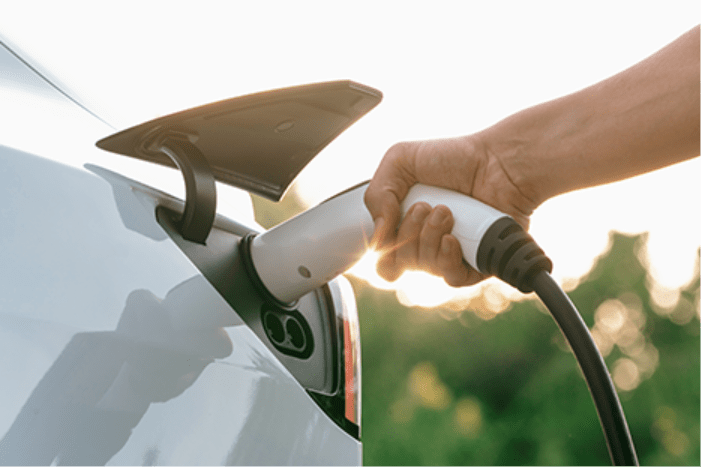
- That’s it! Your car starts charging and you’re ready to go!
Simplicity that makes electric driving accessible to everyone.
Charging Time and Factors Affecting It
When it comes to charging time, it varies depending on the type of charger and the battery.
For a vehicle to charge quickly, the battery’s power in watts needs to be high.
There are two types of charging:
A. Standard (100% full charge), 8-24 hours for a fully electric model and 2-5 hours for a hybrid.
B. Fast (20% – 80% charge), typically takes around 1 hour.
Factors that also affect charging include the battery size, the maximum charging speed of the car and charger, the initial battery level when charging begins, and weather conditions.
Charging Cost: What to Expect
The most expensive type of charging for electric cars is fast charging, whether it’s at a public charging station or in a home environment. However, the most cost-effective option is home charging, as it combines lower energy costs, convenience in terms of time and space, and additional support from financial incentives that encourage the adoption of electric cars.
Prices vary depending on the type of charging, frequency of use, and energy provider. It’s important to carefully review your options to find the solution that best fits your needs.
Charging Network: Where to Find Chargers
To locate charging points, you can use maps available online. For example, on the official Gov website, you can find information on available charging stations across the country. Additionally, more and more areas are incorporating charging points, making it easier for users to access them.
The availability of chargers is constantly increasing, making electric driving more practical and accessible for everyone.
Tips for Efficient Charging and Battery Maintenance
Generally, the battery in any vehicle is one of the most important parts, and it requires attention for both use and maintenance.
The main things to consider regarding charging are:
A. Avoid “overcharging” the battery to extend its lifespan.
B. Avoid frequent use of fast charging, as it increases the temperature in the battery.
C. Ensure software updates are performed on time.
By following these guidelines, you can achieve better charging efficiency and maintain your battery effectively.