Car Safety: What checks should I do?

To ensure the safety of your car, there are various routine checks you can perform to prevent problems and maintain the smooth operation of the vehicle. The main checks are as follows:
Tire Check
- Pressure: Make sure the tires are properly inflated according to the manufacturer’s specifications, which are usually listed on the driver’s door or in the car manual.
- Condition: Check the tires for signs of wear, cuts, or bulges.
Fluid Check
- Engine Oil: The oil should be at the correct level and clean. Also, check how often the oil needs to be changed.
- Coolant: Check the coolant level to prevent the engine from overheating.
- Windshield Washer Fluid: Ensure you have enough fluid to clean the windshield.
- Brake Fluid: This is essential for the proper functioning of the brakes.
Brake Check
- Brake Pad Wear: The brake pads should have sufficient material left, and if you hear noise or the braking feels uneven, they might need to be replaced.
- Brake Discs: Check the brake discs for any grooves or wear that could affect braking efficiency.
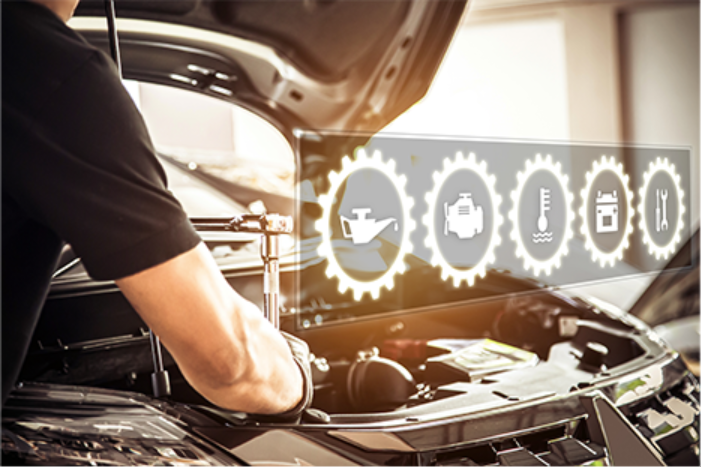
Battery Check
- Charge Level: A weak battery can affect the car’s ability to start. Check the charge level and voltage.
- Battery Terminals: Ensure that the battery terminals are not corroded and that the connections are clean.
Lighting Check
- Headlights, Parking Lights, Turn Signals: Make sure all the car’s lights are functioning properly and are clean to provide good visibility and ensure other drivers can see you.
- Brake Lights: Brake lights are crucial for safety when braking, so check that they are working correctly.
Suspension Check
The suspension should be in good condition, especially if you hear noise when driving over bumps. Proper suspension functionality helps with vehicle control and ride comfort.
Wiper and Windshield Check
- Wiper Condition: If the wipers leave streaks, they likely need replacement.
- Clean Windshield: Ensure the windshield is clean and free of cracks, and that the wipers are functioning effectively.

Seatbelt Check
Check that the seatbelts are not damaged and function properly. They should click in and out easily, and the automatic retraction system should work correctly.
Exhaust Check
Inspect the condition of the exhaust system and pay attention to any unusual noises or leaks that could affect engine performance or cause environmental pollution.
Emergency Items Check
First Aid Kit, Fire Extinguisher, Warning Triangle, Spare Tire: These are essential in case of an emergency. Also, make sure you have them and that they are in good condition.
Regularly performing these checks reduces the chances of accidents and ensures the safety and proper functioning of your vehicle.