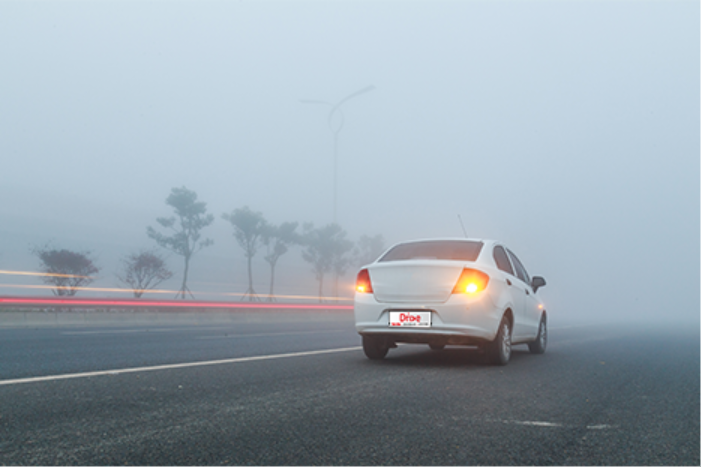
Driving in the Rain: 9 Practical Tips.
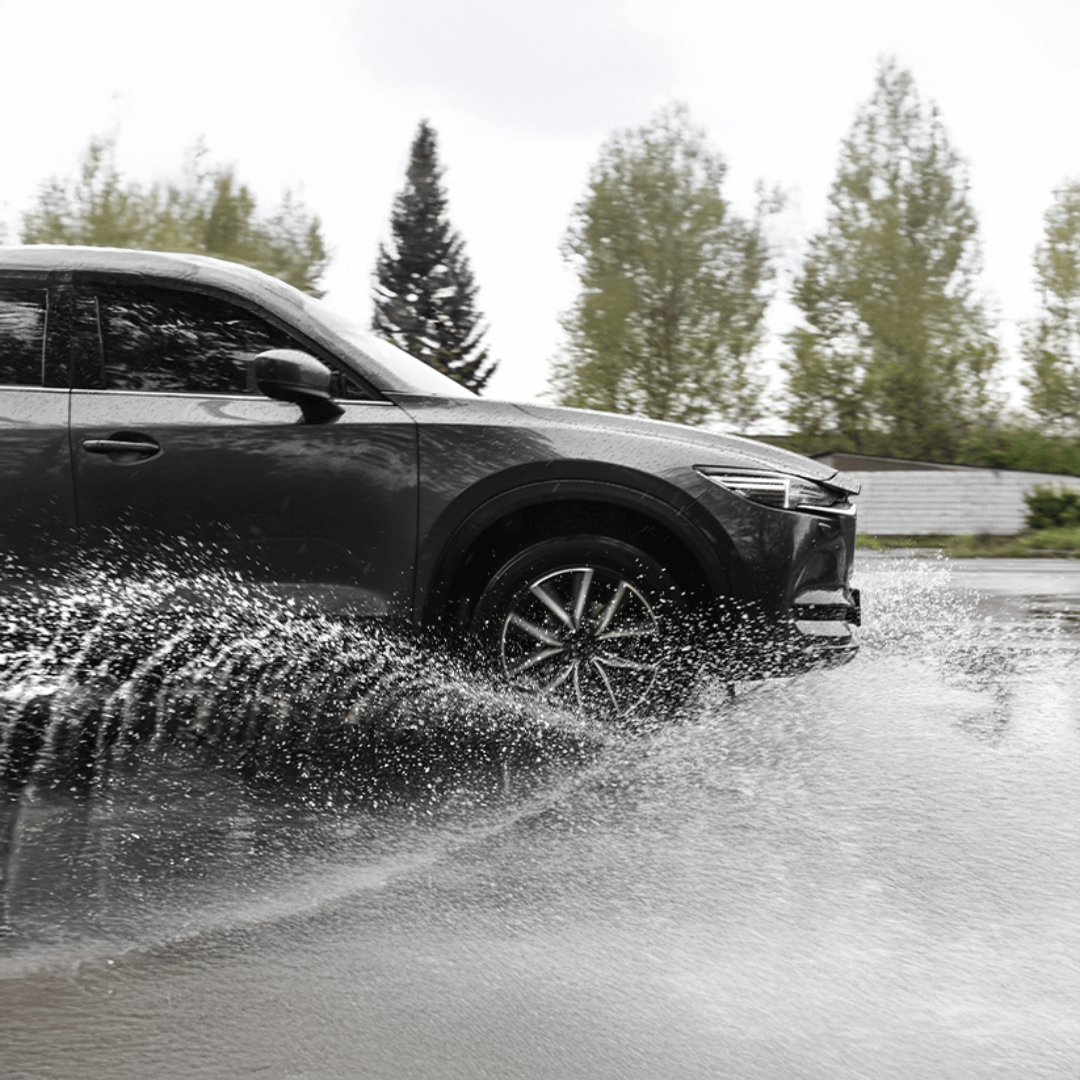
When driving in rainy conditions, there are many dangers that lurk. Some of them are reduced tire grip on the road due to moisture, reduced visibility due to rain and increased risk of vehicle skidding. It is important to be careful, adapt your driving to the conditions and be prepared for unexpected situations.
Because vehicle preparation is just as important for your safe driving on rainy days, we have collected 9 practical tips and present them to you below.
Wiper Care
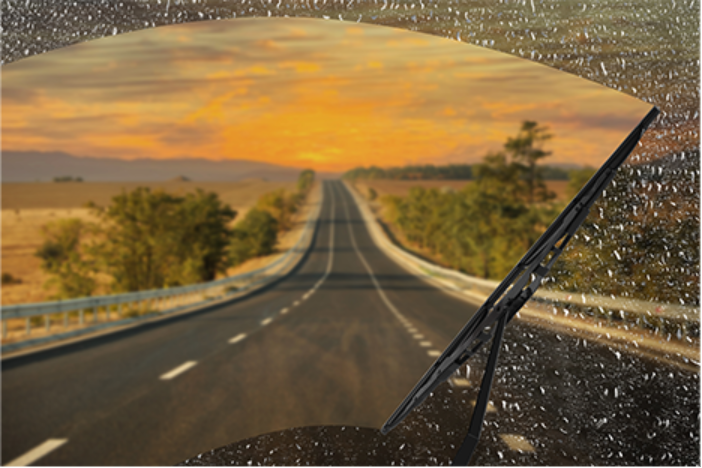
Maintaining visibility while driving is essential for both your safety and the safety of your laps. A clean windshield and working wipers are essential to maintaining a clear line of sight.
Tire Check
Tires are vital to safe driving in the rain. When tires are in poor condition, traction with the road surface is reduced, increasing the risk of aquaplaning. Remember that proper tire pressure and adequate tread are important factors in the safety and performance of your vehicle in all weather conditions.
Use of Lights
Make sure you turn on your vehicle’s lights for improved visibility and to be noticed early by other drivers.
Beware of Fog Lamps
Do not use the fog lights if there is no weather phenomenon that makes your visibility difficult (fog, rain, snowfall) because there is a risk of “blinding” other drivers.
Reduced Speed
Reduce your speed to avoid the risk of hydroplaning. The lower your speed, the shorter the time it will take for the vehicle to react during traction.

Avoiding hydroplaning
To combat hydroplaning and maintain road safety, you can:
Keep a safe distance from other vehicles to give yourself enough time to react.
Reduce your speed and drive carefully.
Avoid sudden accelerations, braking and turns.
Avoiding Stagnant Water
There are many dangers hidden under stagnant water and they can cause serious damage to the vehicle or even injury to the passengers. Some of these risks are:
Risk of road degradation: Standing water can hide holdings or road degradations that can cause loss of vehicle control.
Risk of impact: A common phenomenon is the presence of various objects in standing water which can wear down the car, causing damage.
To avoid these dangers, we recommend taking great care when crossing areas with standing water, especially if you are not sure of the safety of the road you are driving. It is also important to always exercise caution and follow the signs and directions of local authorities.
Correct Braking and Handling
Avoid sudden braking during rain as this can lead to wheel spin
Keep the steering wheel tight and steady so that you can maintain control of the vehicle in the event of a skid.
Avoid sharp and sudden steering movements, as these may cause loss of vehicle control in skids.
React immediately to any irregularity in the road surface by reducing speed and adjusting your driving style.
Adjust the safety distance between you and other vehicles so that you can react in time to any external danger.
Preparedness and Respect for Pedestrians
When driving in the rain, it is essential to always be careful and proactive. Safety should always be your first priority and that is why it is important to drive sensibly.
Driving safely in the rain requires preparation and caution. By following the above tips and taking the necessary precautions, you can reduce the risk of accidents. Always remember that everyone’s safety is a priority.