


Buying a Used Car: What You Should Look Out For

The purchase of a used car is often made by new drivers who want to avoid worrying about potential damage while gaining experience in driving. Additionally, the choice to buy a used car seems ideal for someone looking to save money.
However, this process requires attention and research, as it is not always easy to determine whether the car is reliable or if it has hidden problems.
Therefore, we have gathered everything you need to include in your checklist before purchasing a used vehicle.
1. Check the car’s ‘history’
Maintenance history
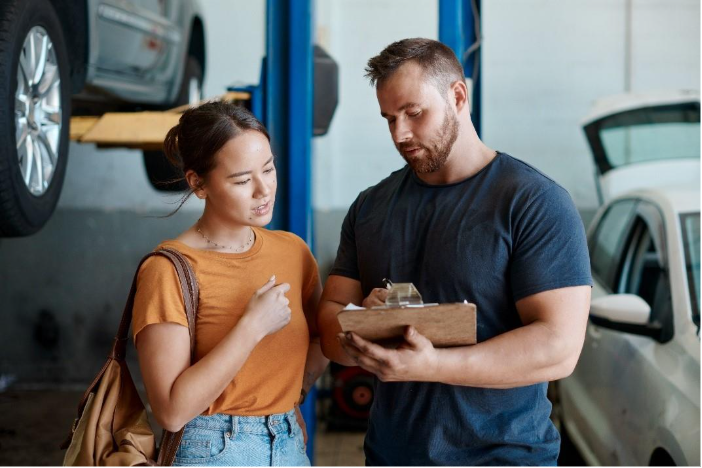
It is essential to ask for the vehicle’s maintenance history to determine if the car has undergone regular maintenance and whether necessary repairs or component replacements have been made. Cars with a good maintenance history are more reliable and less likely to experience problems in the future.
Accident records
Ensure that the car has not been involved in serious accidents that may have caused hidden structural problems, which could appear later.
2. Exterior check of the car
Body condition
Check for signs of impact, rust, or abnormalities in the bodywork. Inspect areas around the doors, hood, and trunk for any dents or changes in the vehicle’s color. These signs may indicate repairs from accidents or poor maintenance.
Tire types and rim condition
The car’s tires should be in good condition without any wear or irregularities in their tread. Uneven tire wear may indicate issues with the suspension or steering system. Also, check the tire size to ensure it matches the manufacturer’s specifications.
3. Engine and mechanical components check
Leaks and fluids
The engine is the heart of the car, and you should carefully check for any leaks from the engine or the vehicle’s systems, such as oil or coolant leaks, which often indicate problems that may require costly repairs.
Engine performance
Before taking the car for a test drive, listen to the engine’s sound, as it should not make any strange noises. Additionally, check its performance during driving, including acceleration and throttle response.
4. Test drive
Brake and suspension check
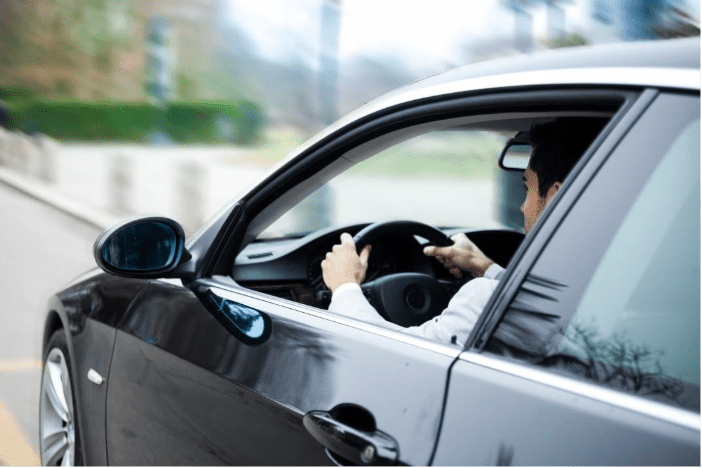
Check the brakes to ensure they respond properly and listen for any unusual noise, as this may indicate wear or issues with the braking system. Finally, test the vehicle’s suspension response on rough roads to ensure safety and comfort during driving.
5. Legal status
Check of the logbook and ownership card
Make sure you have reviewed documents such as the logbook and ownership card of the vehicle, ensuring they are up to date and match the vehicle’s details. Also, verify that the car is not involved in any legal issues, such as outstanding debts.
Check of MOT status and insurance coverage
Check if the car has passed a recent MOT test and whether it is insured. If it hasn’t undergone a recent inspection, the car’s price may be reduced, as you will need to pay for the renewal.
6. Tips for negotiating the price
Knowledge of its value
Before you start negotiating the price, seek the opinion of experts and conduct research from other sellers to ensure you get the best price.
Buying a used car can be a great choice, as long as it is done with caution and research. By checking the car’s history and the condition of its mechanical and exterior components, you can make a safe and cost-effective purchase.


